Comparison
NEO vs. Other Humanoid Robots: How Does It Compare?
How 1X NEO stacks up against other well-known humanoid platforms on size, weight, target market and consumer availability.
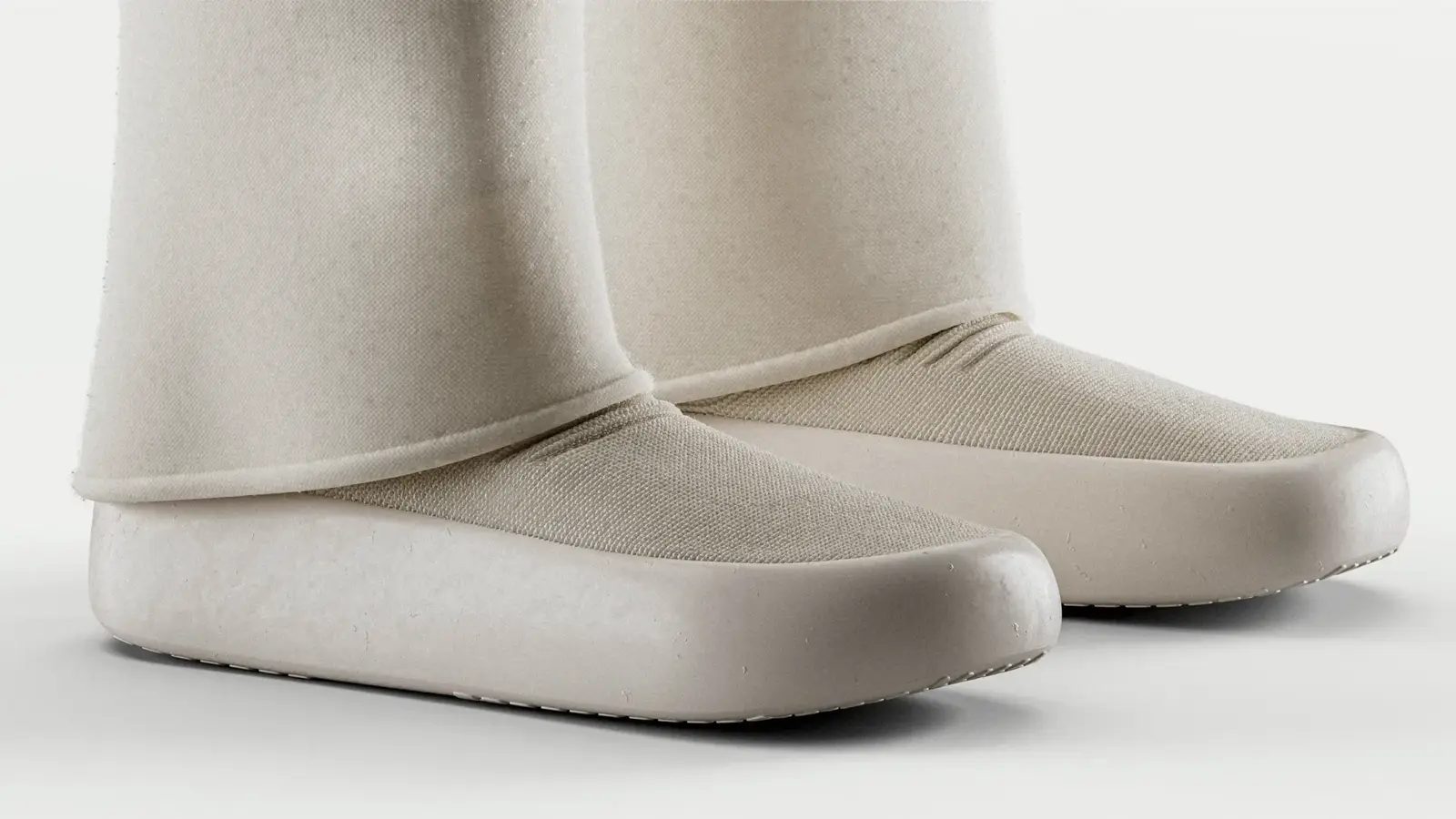
Product photo: 1X Technologies press materials, used for editorial review purposes.
Figures below are taken from manufacturers' public materials at time of writing and may change. Most platforms other than NEO are not currently sold to consumers.
| Platform | Target market | Approx. height / weight | Consumer availability | Body type |
|---|---|---|---|---|
| 1X NEO | Home | 5′6″ / 66 lb | Pre-order, US deliveries from 2026 | Soft, padded, knit-covered |
| Tesla Optimus | Factory first, home later | ~5′8″ / ~125 lb | Not sold to consumers | Rigid |
| Figure 02 / 03 | Industrial, home announced | ~5′6″ / ~150 lb | Not sold to consumers | Rigid / partly padded |
| Unitree G1 | Research, developers | ~4′3″ / ~77 lb | Sold to developers (~$16k+) | Rigid |
| Agility Digit | Warehouse logistics | ~5′9″ / ~140 lb | Enterprise only | Rigid |
What sets NEO apart
- It is actually orderable by a household. Most rivals are enterprise or developer products.
- Weight. At 66 lb it is roughly half the mass of most competitors, which matters enormously for safety.
- Soft body. Only NEO is built around padding and a fabric suit from the ground up.
Where rivals may lead
- Industrial platforms have more hours of real deployment, so their reliability data is more mature.
- Rigid platforms typically have higher precision and payload.
- Developer robots like the G1 are cheaper if you want to tinker rather than have chores done.
Verdict
If the question is "which humanoid can I put in my living room in 2026?", NEO is currently the only realistic answer. If the question is "which is the most capable robot?", the industrial platforms have the edge today — at prices and in form factors that are not meant for homes.